
Tips for maintaining vehicle fuses and relays

Introduction
Fuses and relays are the unsung heroes of a vehicle's electrical system. Fuses act as safety valves, protecting sensitive electronic components by breaking the circuit when an electrical surge or short circuit occurs. Relays, on the other hand, function as electrically operated switches that allow a low-current circuit to control a much higher-current circuit, such as those powering headlights or cooling fans. Understanding how to maintain these components is essential for preventing electrical failures and protecting your car's expensive computer systems.
Regularly inspecting these small but vital parts can save you from sudden roadside breakdowns or even electrical fires. In tropical climates like the Dominican Republic, high humidity and heat can accelerate corrosion in electrical connections, making proactive maintenance even more critical. Knowing how to identify a blown fuse or a failing relay ensures that you can address minor issues before they escalate into major mechanical headaches.
Importance of electrical component stability

The stability of your vehicle's electrical system depends heavily on the integrity of its fuses and relays. A single blown fuse can disable everything from your windshield wipers to your dashboard lights, significantly compromising your safety while driving. Because modern vehicles rely on complex Electronic Control Units (ECUs), a surge that a fuse fails to stop could result in much more costly repairs.
Relays play a similar role in maintaining system longevity. By taking the heavy electrical load away from switches and control modules, they prevent overheating and wear on your dashboard buttons and steering column switches. When a relay begins to fail, you might notice intermittent behavior, such as lights flickering or a motor failing to engage, which are early warning signs that require immediate attention.
Common signs of fuse and relay failure
Identifying electrical issues early can distinguish a simple fix from a complex diagnostic problem. Because fuses are designed to fail to protect the system, a blown fuse is usually a binary state: it either works or it does not. If a specific component stops working entirely, the fuse is your first point of inspection.
Relays often exhibit more subtle symptoms before they fail completely. Common indicators of relay issues include:
- Intermittent operation: A component like a fuel pump or cooling fan turns on and off unexpectedly.
- Clicking sounds: You hear a rapid, rhythmic clicking from the relay box when attempting to activate a component.
- Complete failure to activate: The component remains dead even when the fuse is known to be intact.
- Burning smells: A distinct ozone or burning plastic smell near the fuse box can indicate a relay that is overheating due to high resistance.
Best practices for inspection and maintenance
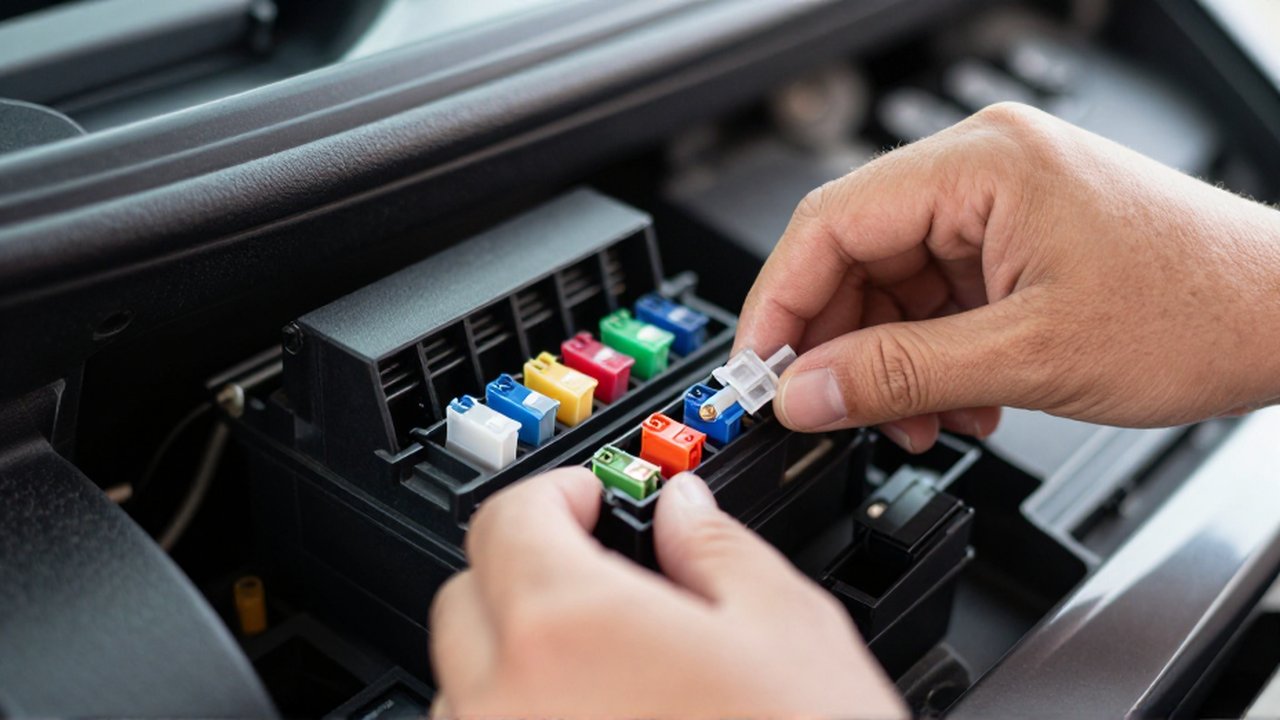
Maintaining fuses and relays is more about prevention and correct replacement than complex mechanical work. To ensure your electrical system remains reliable, follow these practical guidelines:
Always use the correct amperage Never replace a blown fuse with one of a higher amperage rating. If a 10-amp fuse blew, replace it with another 10-amp fuse. Using a higher rating removes the safety mechanism, allowing excessive current to flow through the wires, which can lead to melted insulation or vehicle fires.
Check for corrosion and moisture In humid environments, oxidation can build up on the metal contact points of fuses and the pins of relays. Periodically open your fuse box and look for white, green, or crusty residue. If you find corrosion, use a specialized electrical contact cleaner to gently clean the terminals. Ensure the connections are tight and free of moisture.
Verify the fuse box environment Keep the fuse box area dry and clean. Dust and debris can accumulate around the components, potentially trapping heat or moisture. Ensure that the fuse box cover is always properly seated and sealed to prevent environmental contaminants from entering the circuit.
Use a fuse puller Avoid using metal pliers or screwdrivers to pull fuses, as this can accidentally scrape the metal or cause a short circuit. Most vehicles come with a small plastic fuse puller located inside the fuse box cover; always use this tool to ensure a clean, safe extraction.
Troubleshooting steps for electrical issues
When an electrical component fails, follow a logical sequence to determine if the issue lies with the fuse, the relay, or the component itself.
- Consult the manual: Locate the fuse diagram in your owner's manual or on the inside of the fuse box cover to identify exactly which fuse and relay control the non-functional part.
- Visual inspection: Pull the fuse and hold it up to the light. If the metal strip inside the plastic casing is broken or there is a dark burn mark, the fuse is blown.
- The swap test: If the fuse looks intact, try swapping the suspected relay with an identical relay from a different system (for example, swap the horn relay with the AC relay if they have the same part number). If the component starts working, the relay was the problem.
- Check for continuity: For more advanced users, a multimeter can be used to check if a fuse actually provides electrical continuity.
Frequently asked questions
Can a blown fuse cause damage to other parts? A blown fuse itself does not cause damage; rather, it is the result of a problem elsewhere. The fuse is doing its job by breaking the circuit to prevent damage to other components.
Why do fuses keep blowing repeatedly? If a fuse blows immediately after replacement, there is a persistent electrical issue, such as a short circuit, a faulty wire, or a component drawing too much current. Replacing the fuse again without fixing the underlying cause is dangerous.
How do I know if a relay is bad if I cannot see it? Since relays are internal components, you cannot visually inspect them like fuses. You must rely on functional tests, such as listening for the "click" when the circuit is engaged or using a multimeter to check for power passing through the relay.
Is it safe to clean relays with water? No. Never use water to clean electrical components. Always use a dedicated, quick-drying electrical contact cleaner to avoid causing short circuits or leaving moisture behind that can lead to further corrosion.
Leave a Reply