
How to identify cloudy headlight lens issues
Introduction
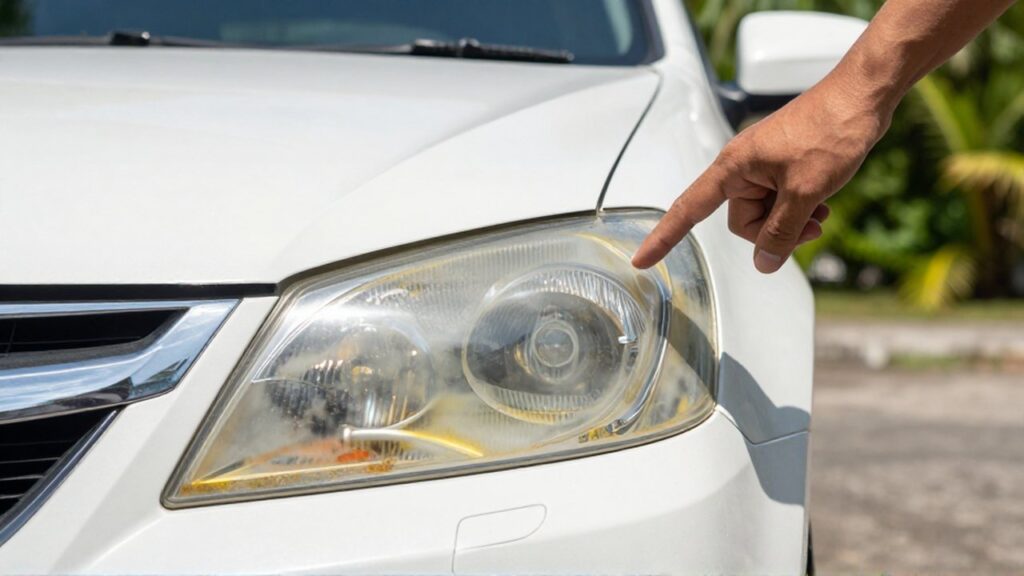
Cloudy headlight lenses are a common phenomenon where the once-clear plastic covers of a vehicle's lights become opaque, yellowish, or milky. This degradation is primarily caused by various environmental factors, such as UV radiation exposure, heat, and chemical pollutants. When this occurs, the light emitted by your bulbs cannot pass through the lens effectively, significantly reducing the visibility of the road ahead.
Identifying this issue early is crucial for maintaining vehicle safety and passing technical inspections. If left unaddressed, cloudy lenses do more than just affect aesthetics; they compromise your ability to see obstacles, pedestrians, and road markings during nighttime driving or in heavy rain. Recognizing the specific signs of oxidation and degradation allows you to decide whether a simple restoration or a full replacement is necessary.
Signs of headlight oxidation and degradation
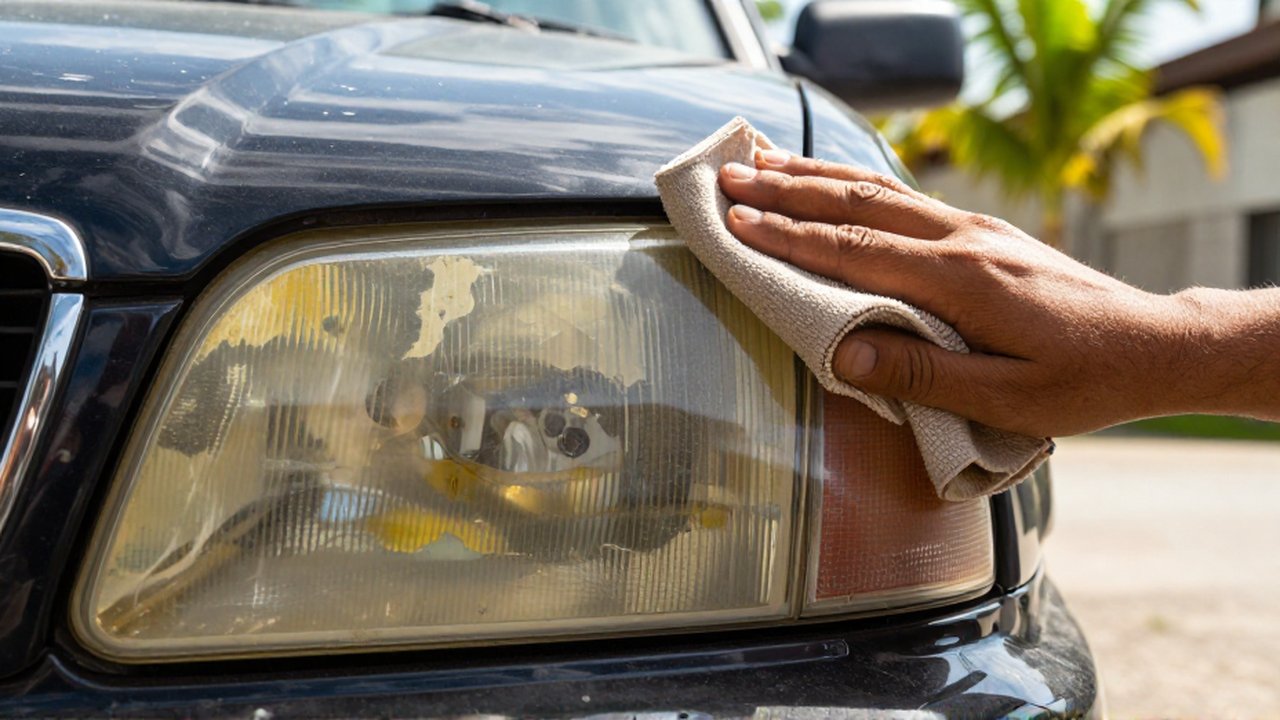
The most obvious indicator of cloudy lenses is a visible change in the clarity of the plastic. While a new headlight lens should be perfectly transparent, an affected lens will exhibit a dull, hazy appearance. You may notice a yellow tint, which is often a sign of advanced oxidation where the protective UV coating has failed.
Another way to identify the issue is by observing the light pattern on the ground during nighttime driving. If the beam appears diffused, spread out, or lacks a sharp "cutoff" line, the light is likely struggling to penetrate the clouded material. You might also notice that your headlights seem significantly dimmer than they used to be, even if the bulbs themselves are relatively new. In some cases, you might see small cracks or a "pitted" texture on the surface, which indicates that the plastic has become brittle due to prolonged environmental exposure.
Causes of cloudy headlight lenses
Several environmental factors contribute to the cloudiness of headlight covers. Modern vehicles use polycarbonate, a durable plastic, for headlight lenses. While strong, polycarbonate is susceptible to damage from several sources:
- UV Radiation: Constant exposure to intense sunlight breaks down the chemical bonds in the plastic and the protective clear coat.
- Temperature Fluctuations: The cycle of heating during the day and cooling at night causes the material to expand and contract, which can accelerate surface degradation.
- Environmental Contaminants: Road salt, industrial pollutants, and even bird droppings can chemically react with the lens surface, causing etching or staining.
- Abrasive Cleaning: Using improper tools, such as abrasive sponges or harsh chemicals during car washes, can create micro-scratches that eventually turn into a cloudy haze.
Assessing the severity of the issue
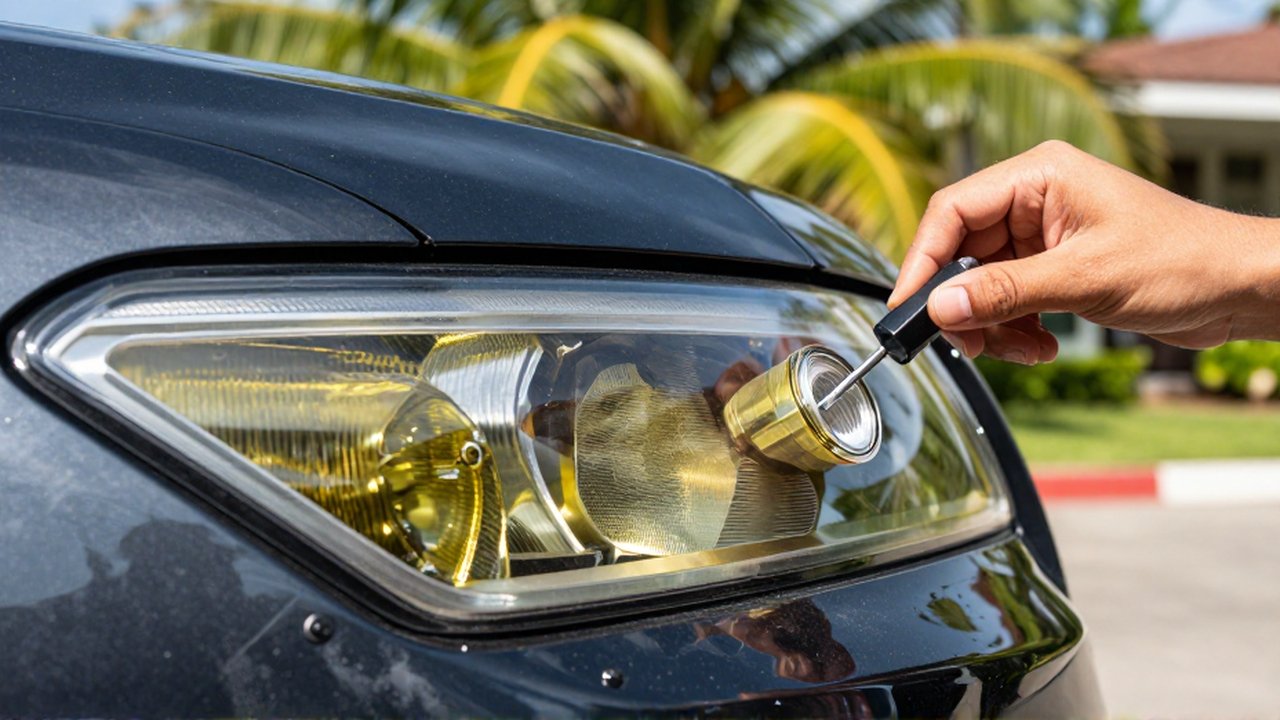
Before deciding on a remedy, you must determine if the problem is superficial or structural. You can perform a simple assessment by following these criteria:
| Appearance | Likely Cause | Recommended Action |
|---|---|---|
| Light haze or slight yellowing | Surface oxidation/UV damage | Polishing or restoration kit |
| Deep pits or heavy yellow crust | Severe chemical/UV degradation | Lens replacement recommended |
| Interior fogging or moisture | Seal failure or cracked housing | Inspect seals or replace unit |
| Internal discoloration | Bulb heat or internal moisture | Replace headlight assembly |
If the cloudiness is strictly on the outer surface, a restoration process can usually bring back the clarity. However, if you see moisture trapped inside the lens or if the cloudiness appears to be coming from within the unit, the issue is likely a failed seal, which a surface polish cannot fix.
Risks of driving with cloudy headlights
Ignoring cloudy headlights poses significant safety risks. The primary danger is the reduction of the effective driving range. When light is scattered by a cloudy lens, it does not reach as far down the road, reducing your reaction time to unexpected hazards. Furthermore, the scattering effect can cause glare for oncoming drivers, potentially causing accidents due to temporary blindness. In the tropical climates often found in regions like the Dominican Republic, high UV levels can accelerate this process, making regular inspections even more vital for road safety.
Frequently asked questions
Can I fix cloudy headlights with household items? While some temporary methods exist, such as using toothpaste, these often provide only a very short-term fix and do not restore the protective UV coating, meaning the cloudiness will return quickly.
How can I prevent headlights from turning cloudy? Applying a high-quality wax or a specialized UV sealant regularly can provide an extra layer of protection against the sun and environmental contaminants.
Is it better to polish or replace the lenses? Polishing is a cost-effective solution for surface oxidation. However, if the plastic is heavily pitted, cracked, or if there is moisture inside the housing, replacing the entire assembly is the safer and more permanent option.
Does the age of the car affect headlight clarity? Yes, older vehicles are generally more prone to cloudy lenses because the protective coatings have had more time to wear away due to long-term environmental exposure.
Leave a Reply