
How to prevent fuel theft from parked vehicles

Introduction
Fuel theft from parked vehicles is a frustrating and costly problem that affects many vehicle owners, especially in urban areas or poorly lit environments. This type of crime involves thieves accessing the fuel tank—often through the fuel filler cap or by siphoning through hoses—to steal gasoline or diesel for resale or personal use. It can happen in a matter of minutes, often while the owner is at work, sleeping, or shopping.
Protecting your vehicle from fuel siphoning is essential for maintaining your budget and ensuring your vehicle is ready to drive when you need it. Beyond the immediate financial loss of the fuel itself, theft often results in damage to the fuel filler assembly, broken seals, or even compromised fuel lines. Taking proactive steps to secure your tank can significantly reduce the risk of becoming a victim of this opportunistic crime.
Common methods used by fuel thieves

To prevent theft, it is important to understand how it typically occurs. Most thieves look for easy access to the fuel system. The most common method is using a manual siphoning pump or a specialized tube inserted through the fuel filler neck. In some cases, if the vehicle has an exposed fuel filler cap, thieves may simply unscrew it and use tools to drain the tank.
Another method involves more aggressive tactics, such as breaking the fuel door or tampering with the vehicle's bodywork to reach the tank inlet. Thieves often target vehicles parked in dark alleys, residential streets with low visibility, or large parking lots where they can work unnoticed. Recognizing these vulnerabilities is the first step toward implementing effective defenses.
Physical security measures for the fuel tank
The most effective way to stop a thief is to make the act of stealing fuel physically difficult and time-consuming. If a thief has to spend several minutes fighting a lock, they are much more likely to move on to an easier target.
- Locking fuel caps: Replacing a standard, easy-to-open cap with a locking fuel cap is one of the simplest and most cost-effective upgrades. These require a specific key to open, preventing unauthorized access to the filler neck.
- Fuel door locks: If your vehicle has a visible fuel door, you can install specialized locking mechanisms or even high-strength security film to prevent the door from being easily pried open.
- Protective fuel tank shields: For certain vehicle models, especially trucks or older cars where the tank is more exposed, installing a metal shield under the vehicle can make it much harder for anyone to access the tank or lines.
Strategic parking and environmental protection
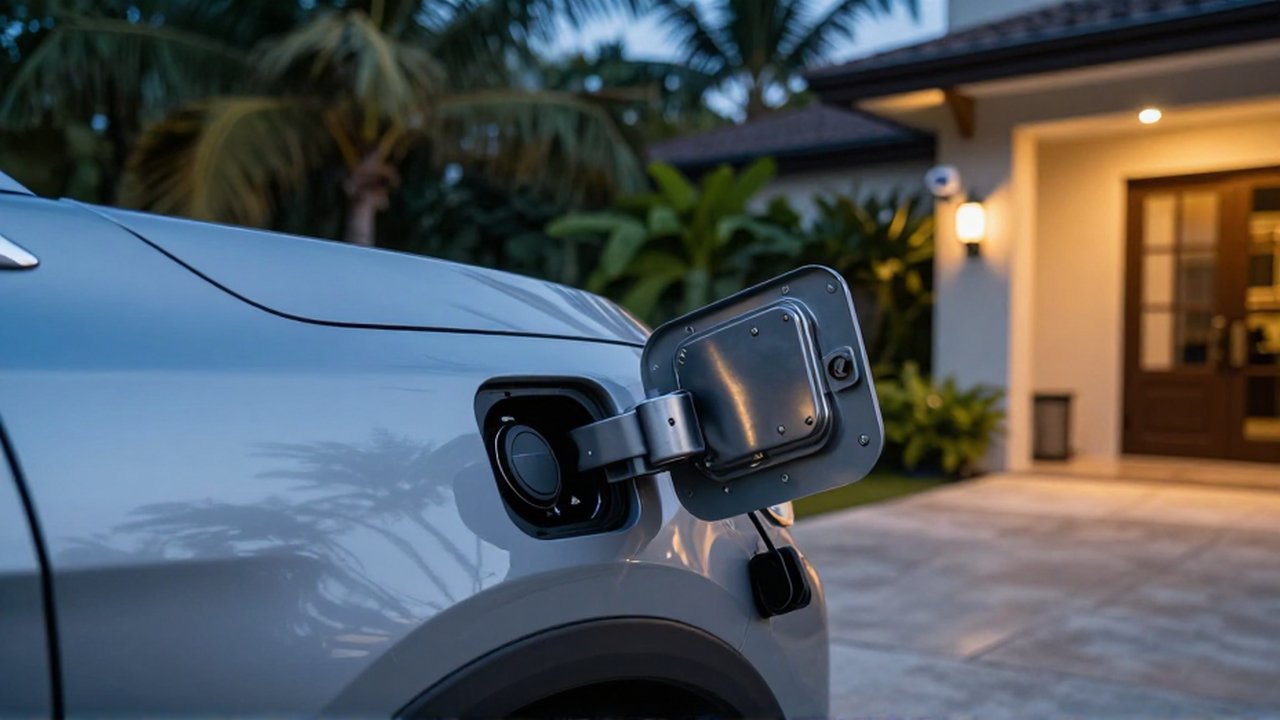
Where and how you park your vehicle plays a significant role in its vulnerability. Environmental factors provide the cover that thieves need to operate without being detected.
When possible, always park in well-lit areas or within a secured garage. High visibility acts as a natural deterrent, as most opportunistic thieves prefer to work in shadows. If you must park on the street, try to park near areas with active surveillance, such as businesses with security cameras or residential homes with motion-sensor lighting.
Avoid parking in isolated or secluded spots where a person could stand by your vehicle for several minutes without raising suspicion. Regular observation of your parking environment is recommended; if you notice a suspicious vehicle loitering near your car frequently, it may be a sign that your vehicle is being scouted.
Technology and monitoring solutions
Modern technology provides several layers of defense that can alert you to an attempted theft in real-time. While physical locks are a primary defense, electronic monitoring can provide the "early warning" necessary to catch a thief in the act.
| Technology Type | Function | Benefit |
|---|---|---|
| Motion Sensors | Detects movement near the vehicle | Can trigger an alarm or light to scare thieves away |
| Fuel Level Sensors | Monitors real-time fuel volume | Sends an alert to your phone if a sudden drop occurs |
| Dashcams | Records surrounding activity | Provides visual evidence and may deter crime via presence |
| GPS Trackers | Monitors vehicle location | Useful if the vehicle itself is moved or tampered with |
Integrating these tools can create a comprehensive security profile. For instance, a vehicle equipped with a smart fuel monitoring system can provide an immediate notification to your smartphone if the fuel level drops unexpectedly while the engine is off, allowing you to contact authorities if necessary.
Frequently asked questions
Will a locking fuel cap prevent all types of fuel theft? While a locking cap is highly effective against siphoning through the filler neck, it may not protect against more advanced thefts that involve tampering with fuel lines located under the chassis.
Can I install a locking fuel cap on any vehicle? Most vehicles can be fitted with aftermarket locking caps, but you should verify compatibility with your specific make and model to ensure a tight seal, which is necessary to prevent fuel evaporation and leaks.
Is it better to park in a garage or under a streetlamp? A secured garage is significantly safer because it eliminates public access entirely. If a garage is unavailable, parking under a streetlamp is a better secondary option than a dark area.
What should I do if I discover my fuel has been stolen? First, inspect the area around your fuel filler for signs of forced entry or damage. Document the scene with photos, and if there is visible damage to the vehicle, file a police report to assist with any insurance claims.
Leave a Reply