How to react to aggressive driving in urban areas
Introduction
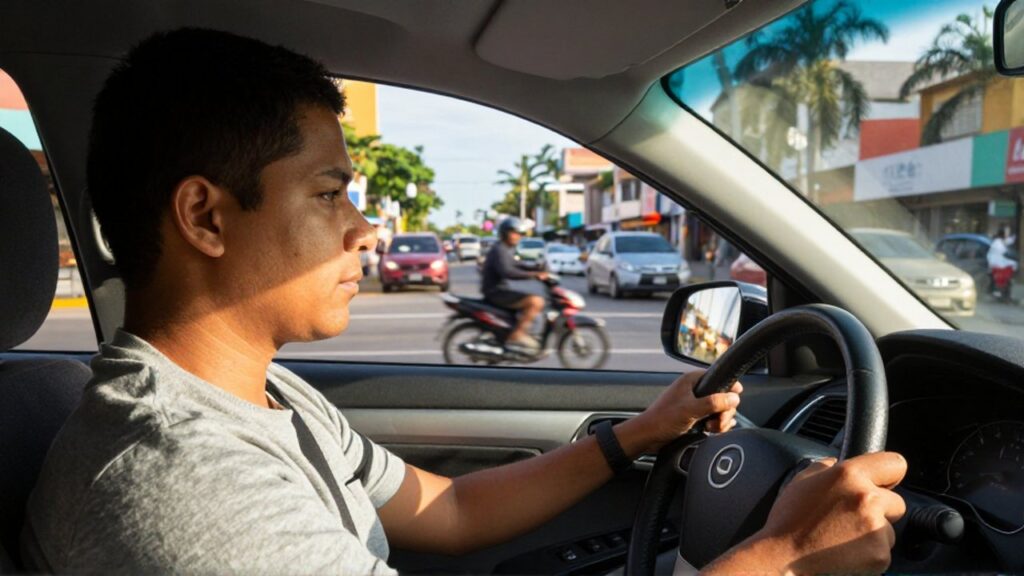
Aggressive driving in urban areas is a significant safety concern for motorists, pedestrians, and motorcyclists alike. In densely populated cities, high traffic volumes and tight schedules often lead to erratic behaviors such as tailgating, sudden lane changes without signaling, speeding, and verbal confrontations. Recognizing these patterns is essential for maintaining personal safety and preventing accidents that can lead to vehicle damage or physical harm.
Understanding how to manage these situations allows drivers to de-escalate tension and maintain control over their environment. Instead of reacting emotionally, which often worsens the conflict, a calculated and calm response helps ensure that you reach your destination without unnecessary risk. This article provides practical strategies to identify, avoid, and react to aggressive behavior on the road.
Identifying signs of aggressive behavior
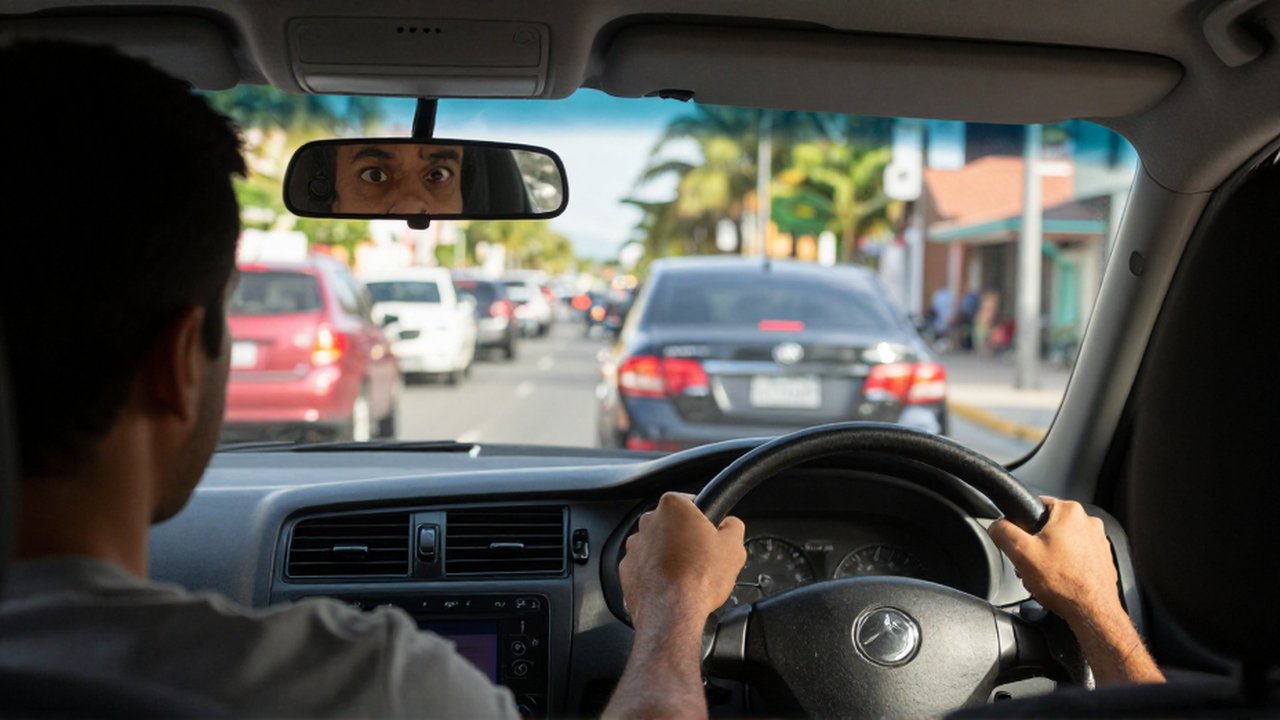
Recognizing the early signs of an aggressive driver is the first step in protecting yourself. Aggression on the road often manifests through specific physical actions that deviate from standard driving etiquette. Common indicators include drivers who weave in and out of traffic at high speeds, those who follow too closely to your rear bumper (tailgating), or individuals who use their horns excessively to express frustration.
Other behaviors to watch for include sudden, unpredictable movements, such as cutting in front of you without leaving enough space to brake, or flashing high beams to coerce you into moving. In some cases, aggression may move beyond vehicle manipulation and into personal territory, such as hand gestures or shouting. Being aware of these red flags allows you to create distance before the situation escalates into a more dangerous encounter.
Strategies for de-escalating road rage
The most effective way to handle an aggressive driver is to avoid direct confrontation. When another driver behaves erratically, your goal should be to diffuse the tension rather than engage with it. Avoid making eye contact, as this can be interpreted as a challenge or an act of defiance. Similarly, avoid reciprocating gestures or shouting back, as these actions often trigger a "fight or flight" response in the aggressor, potentially leading to physical violence.
If you find yourself being targeted by an aggressive motorist, follow these steps to maintain safety:
- Maintain a safe distance: If someone is tailgating you, change lanes as soon as it is safe to do so to let them pass.
- Give them space: If an aggressive driver is swerving around you, do not attempt to block them or "teach them a lesson." Let them move ahead and get away from your vehicle.
- Stay calm and focused: Focus on your own driving and your destination. Use deep breathing to keep your stress levels low.
- Avoid defensive maneuvering: Do not use your vehicle as a tool to intimidate or block the other driver, as this can turn a driving nuisance into a high-speed pursuit or a collision.
Maintaining safety during high tension encounters

In scenarios where the aggressive driver refuses to leave you alone or begins to follow you, your priority must shift from driving to self-protection. If you feel you are being pursued, do not drive home or to a private location where your residence could be discovered. Instead, head toward a populated, well-lit area such as a gas station, a supermarket parking lot, or a police station.
If the situation feels life-threatening, call local emergency services immediately. Provide them with your current location, a description of the other vehicle (make, model, and color), and any part of the license plate number you can safely see. It is vital to stay inside your vehicle with the doors locked and windows rolled up until help arrives or the threat has passed.
Common mistakes to avoid when facing aggression
Many drivers inadvertently escalate dangerous situations by making common errors in judgment. One of the most frequent mistakes is attempting to "defend their honor" or correct the other driver's behavior. Engaging in a battle for road space or attempting to block an aggressive driver can lead to high-impact collisions or physical altercations.
Another mistake is losing focus on the road due to emotional distress. When anger takes over, your situational awareness decreases, making you more likely to miss traffic signals, pedestrians, or other hazards. Finally, never attempt to record an aggressive driver while actively driving. If you wish to document the incident for legal or insurance purposes, use a dashcam or wait until you are safely parked.
Frequently asked questions
What should I do if an aggressive driver is tailgating me? The safest response is to signal and move to another lane to let them pass. If you cannot change lanes, gradually slow down to increase the gap between you and the car in front of you, which gives you more time to react if the tailgater hits you from behind.
Is it safe to use my horn to warn others about aggressive driving? The horn should primarily be used as a safety tool to alert others of your presence or an immediate hazard. Using it to express anger or to "scold" another driver can be perceived as an act of aggression and may provoke the other person.
Should I pull over if someone is trying to intimidate me? Avoid pulling over in isolated or dark areas. If an encounter is occurring, your best option is to drive to a public, well-lit area or a police station. Only stop if you are in a location where you are clearly safe and help is readily available.
How can I document an incident for an insurance claim? The best way to document aggressive driving is through a dashcam. If a dashcam is not available, try to note the vehicle's license plate, color, and make, and write down the time and location of the incident as soon as it is safe to do so.
Leave a Reply