How to use public transportation in Dominican Republic cities

Introduction
Navigating the urban landscapes of the Dominican Republic requires an understanding of a vibrant, multi-layered public transportation system. For residents and visitors alike, knowing how to utilize buses, microbuses, and specialized transit options is essential for moving efficiently between neighborhoods, avoiding excessive costs, and experiencing the local rhythm of city life.
Mastering these transit methods allows you to bypass the complexities of driving in heavy traffic and helps you reach destinations that might be difficult to access by private vehicle. Whether you are commuting to a business district in Santo Domingo or exploring the streets of Santiago, understanding the logic behind the local routes is key to a smooth journey.
Using public transport in the Dominican Republic is not just a matter of convenience; it is a fundamental part of the country's social fabric. By learning the different modes of transport, the common payment practices, and the general safety etiquette, you can navigate the country's major urban centers with confidence and ease.
Types of urban transport available

The Dominican Republic offers various ways to travel, ranging from formal mass transit to more informal, highly flexible options. Each serves a different purpose depending on your budget, the distance of your trip, and the time of day.
The most structured option in major cities like Santo Domingo is the Metro and the Teleférico. The Metro is an underground and elevated train system that moves large volumes of people quickly across main corridors. It is generally the most punctual and comfortable option. The Teleférico, or cable car, connects higher-altitude residential areas to the Metro system, providing a crucial link for those living in hilly terrains.
For shorter distances or routes not covered by the rail system, the "Guaguas" (microbuses) are the backbone of urban movement. These are smaller buses that follow specific routes and stop frequently. They are highly accessible and reach almost every corner of the city. Additionally, in many urban areas, "Motoconchos" (motorcycle taxis) provide rapid, point-to-point transport, though they are less suited for long distances or bad weather.
How to navigate routes and schedules
Unlike many international metropolitan areas, public transportation in Dominican cities does not always rely on a centralized digital app for real-time tracking. Instead, transit is governed by high-frequency availability and local knowledge.
To move effectively, it is helpful to identify the primary corridors of a city. In Santo Domingo, most movement follows major avenues. If you are heading to a specific district, looking for a bus that mentions a major landmark or a well-known intersection is often more effective than searching for a specific street number.
When using the Metro, schedules are relatively predictable, and stations are clearly marked. For Guaguas, the "schedule" is essentially how often they pass a certain point. During peak hours, frequency increases, but so does congestion. It is often useful to observe local commuters to see which bus numbers or colors correspond to the direction you wish to travel.
Payment methods and fare management
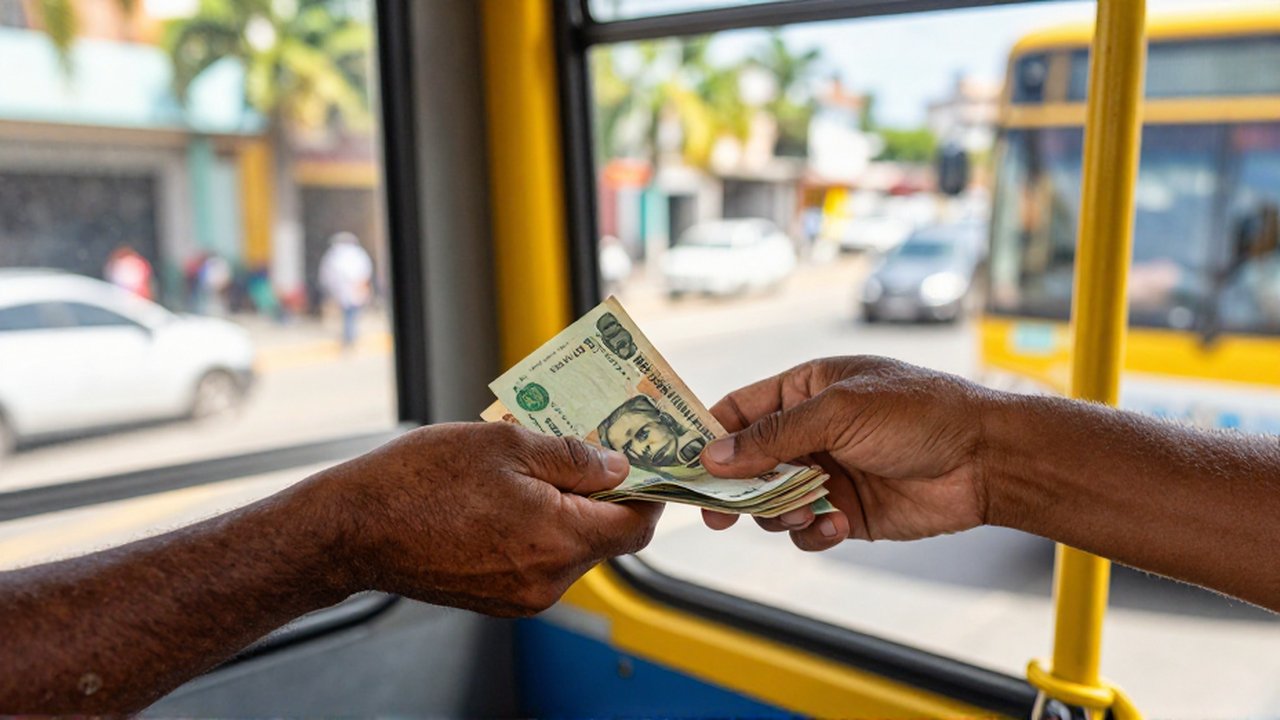
Understanding how to pay is critical to avoiding delays or confusion during your journey. The payment methods vary significantly depending on the mode of transport you select.
| Transport Type | Payment Method | Notes |
|---|---|---|
| Metro / Teleférico | Smart Card | Requires purchasing and recharging a dedicated transit card at station kiosks. |
| Guaguas (Microbuses) | Cash | Small denominations are essential; drivers rarely carry change for large bills. |
| Motoconchos | Cash | Price is usually negotiated before the trip begins. |
When using the bus system, always carry small change. Attempting to pay a large bill for a short trip can cause significant delays and frustration for both you and the driver. For the Metro, ensure your card has sufficient balance before entering the turnstiles to avoid issues at the gate.
Safety and etiquette for commuters
While public transportation is a standard way of life, practicing certain precautions will enhance your experience and security.
When riding Guaguas or Motoconchos, keep your personal belongings, such as smartphones and wallets, secure and close to your body. Avoid using expensive electronics openly, especially when the vehicle is crowded or near busy intersections. When using a Motoconcho, always ensure the driver is wearing a helmet and check that the vehicle appears well-maintained before boarding.
In terms of etiquette, respect the space of others. Urban transit can be very crowded, especially during rush hour. While it is common to stand in tight spaces, being mindful of your movement and making room for others to enter or exit is appreciated. If you are a visitor, do not hesitate to ask a fellow passenger for direction; locals are generally very helpful regarding route information.
Frequently asked questions
Can I use a credit card on the city buses? No, most urban buses (Guaguas) only accept cash in small denominations. Only the Metro and Teleférico systems use a specialized electronic card system.
Is it safe to use motorcycle taxis at night? While they are a common way to get around, it is generally recommended to use more formal transport or ride-hailing services at night for increased security and predictability.
How do I know which bus to take? The best way is to ask the conductor or the driver if they stop at your destination, or observe which buses are most frequently used by people traveling in your desired direction.
Do the buses have air conditioning? Air conditioning is not guaranteed on all buses. While some newer or premium lines may have it, many standard Guaguas are open-air or rely on windows for ventilation.
Leave a Reply