
Best scenic driving routes in the Dominican Republic

Introduction
The Dominican Republic offers far more than just its famous beachfront resorts; it is a land of diverse topographies ranging from rugged mountain ranges to coastal highways. For those who find joy in the journey rather than just the destination, exploring the country via car allows for a unique connection with its natural landscapes and local culture. Scenic driving routes provide an opportunity to experience the tropical climate, changing altitudes, and breathtaking vistas that are often missed by travelers staying within tourist enclaves.
Planning a driving tour through this Caribbean nation requires an appreciation for its varied terrain. Whether you are navigating the winding roads of the Cordillera Central or cruising along the turquoise coastline, these routes serve as an excellent way to discover hidden waterfalls, colonial towns, and panoramic viewpoints. Understanding the best paths to take is essential for any driver looking to maximize their experience while ensuring a safe and enjoyable road trip.
Coastal drives along the Atlantic and Caribbean coasts
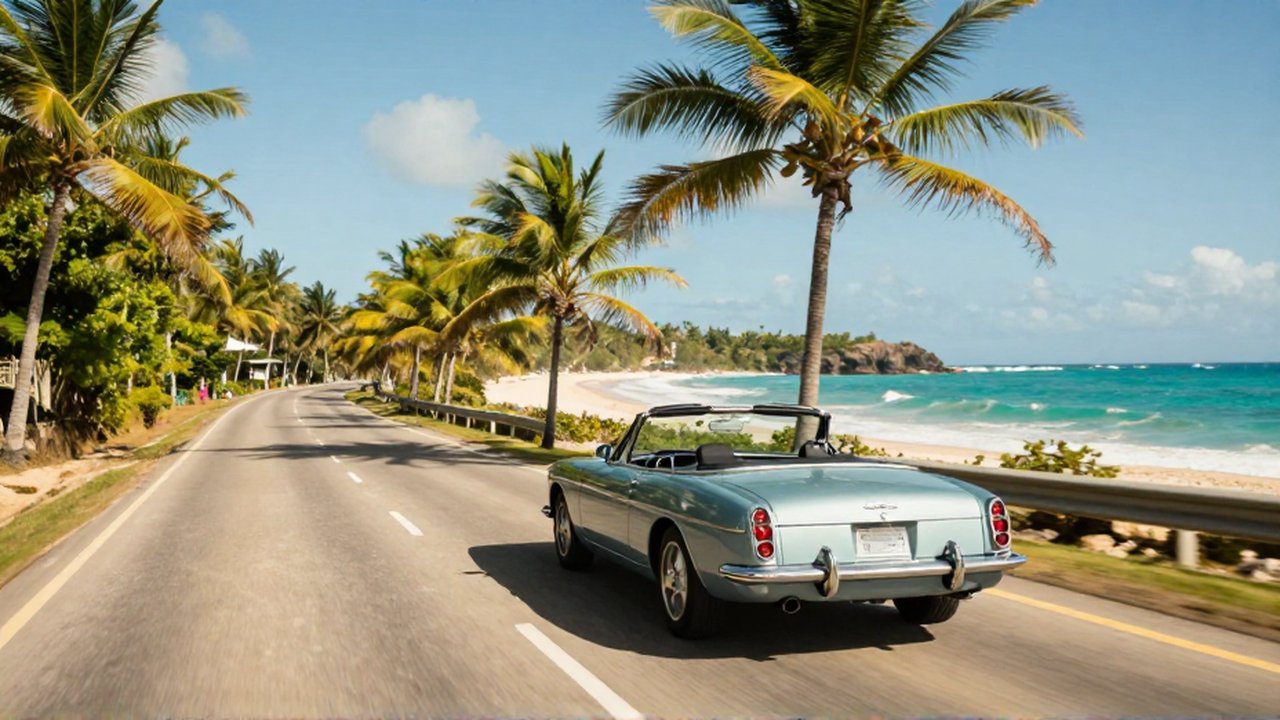
Driving along the coastlines is perhaps the most popular way to experience the Dominican Republic's natural beauty. The northern coast, particularly the route stretching toward the Samaná Peninsula, offers a dramatic interplay between lush green mountains and the deep blue of the Atlantic Ocean. This area is ideal for travelers who enjoy coastal breezes and the sight of palm-fringed shores.
In contrast, the southern coast, bordering the Caribbean Sea, offers a different atmosphere characterized by calmer waters and different ecological settings. Routes in the south often lead to historic sites and quieter beaches, providing a more tranquil driving experience. When choosing between these coasts, consider the following:
- Atlantic Coast: Best for dramatic scenery, higher waves, and more tropical, verdant landscapes.
- Caribbean Coast: Best for calmer waters, warmer temperatures, and access to historical coastal towns.
Mountainous routes through the Cordillera Central
For drivers who prefer elevation and cooler temperatures, the routes through the Cordillera Central are unparalleled. This mountain range is the heart of the island's topography and offers some of the most challenging yet rewarding driving experiences. Navigating these roads involves winding turns and steep inclines, making it a favorite for those who enjoy a more technical drive.
The journey through the mountains often leads to high-altitude viewpoints and cloud forests. Drivers can witness a significant shift in vegetation and climate as they ascend. While these routes are visually stunning, they require careful attention to vehicle performance, particularly regarding brakes and engine cooling, due to the constant changes in elevation. These roads are best tackled during daylight hours to fully appreciate the views and navigate the curves safely.
Scenic drives to Samaná Peninsula
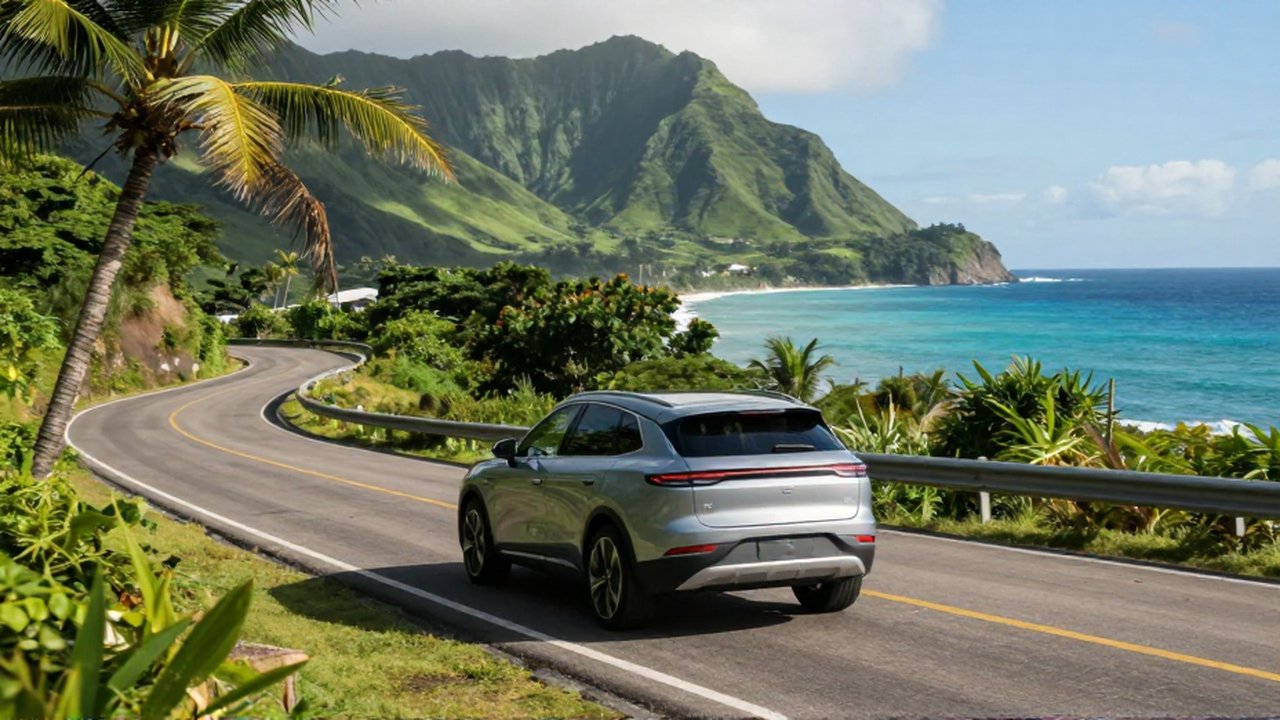
The route to the Samaná Peninsula is widely considered one of the most spectacular drives in the country. The journey involves transitioning from coastal plains into more rugged, forested terrain as you approach the peninsula. The combination of dense jungle surroundings and sudden glimpses of the ocean creates a dynamic visual experience.
This route is particularly rewarding for those interested in ecological diversity. As you drive, you may encounter various wildlife and unique geological formations. It is a route that rewards patience, as the winding roads demand a slower pace, allowing passengers to soak in the scenery and observe the local flora and fauna that characterize this region.
Essential tips for scenic driving in the Dominican Republic
To ensure that a scenic road trip is both enjoyable and safe, certain practical considerations should be kept in mind. The tropical environment and the nature of the roads necessitate specific preparations.
Vehicle Preparation and Safety Before embarking on long scenic routes, ensure your vehicle is in optimal condition. The varying altitudes and temperatures can put stress on the cooling system and tires. Always check your fluid levels, tire pressure, and braking system. Carrying extra water and ensuring your air conditioning is functioning correctly is vital due to the tropical heat.
Navigation and Timing While GPS technology is widely available, it is highly recommended to have offline maps downloaded, as signal strength can fluctuate in mountainous or remote coastal areas. Additionally, aim to complete your journeys during daylight. Scenic routes are most beautiful when fully lit, and driving through mountain passes or coastal bends at night can be significantly more difficult due to limited visibility and potential road hazards.
Driving Etiquette and Awareness Be mindful of local driving patterns. On scenic routes, you may encounter slower-moving vehicles, such as local transport or agricultural machinery. Patience is key. Furthermore, stay alert for pedestrians and livestock, which are common in more rural or mountainous stretches of these beautiful roads.
Frequently Asked Questions
Is it safe to drive on scenic mountain roads? Yes, provided the vehicle is in good mechanical condition and the driver is experienced with winding roads. It is essential to drive at a moderate speed and remain cautious of sharp turns and changing weather conditions.
What is the best time of year for a road trip? The dry season, typically between December and April, is generally the best time for driving. The weather is more predictable, and the roads are less likely to be affected by heavy tropical rainfall, which can impact visibility and road traction.
Do I need a 4x4 vehicle for these routes? While most major scenic routes can be navigated with a standard sedan or SUV, a vehicle with higher ground clearance is recommended if you plan to explore more remote areas or secondary roads that may be unpaved.
How long should I plan for a coastal drive? The duration depends heavily on the specific route and your desire to make stops. A coastal drive that might take three hours on a highway can take much longer if you choose to pull over at various viewpoints, beaches, or small towns along the way.
Leave a Reply